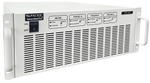
Up to 4 Free Days of Transit Time
Two transit days each way are excluded from rental period


Description
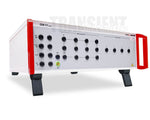
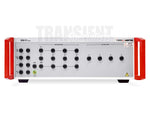
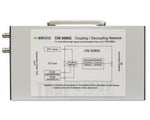
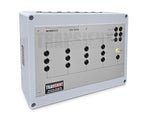
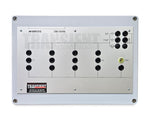
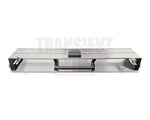
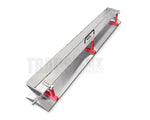
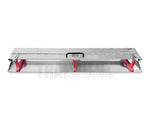
Teseq’s CDN 117 coupling-decoupling network is designed for convenient surge testing of telecommunications equipment to IEC/EN 61000-4-5, which specifies a 1.2/50 μs or a 10/700 μs pulse. It includes the special decoupling network and coupling elements that are required for these tests. The design of the CDN is given in IEC 61000-4-5 Ed.3 Figure 10 and A.4. It can be easily interfaced with the EUT and is designed as a bench top unit. It can be used with Teseq’s NSG series or any industry standard surge generator with the appropriate connector adapter.
The user can manually select coupling modes by connecting the generator’s output to the appropriate input. All coupling methods described in the standard can be configured with the CDN 117. Two CDN 117 main units can be arranged in parallel for testing eight line applications (low speed transmission only).
Compare transient immunity CDNs, corresponding generators, and injection devices available for rent. Explore coupling decoupling networks and capacitive clamps based on current rating, coupling method, application, and test requirements



 info@transientspecialists.com